Mechanical System Replacement
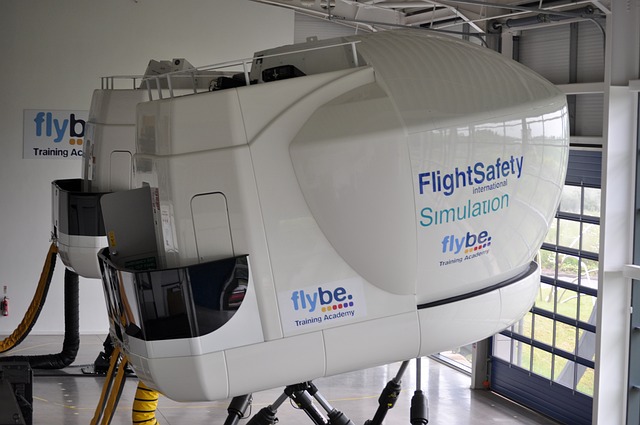
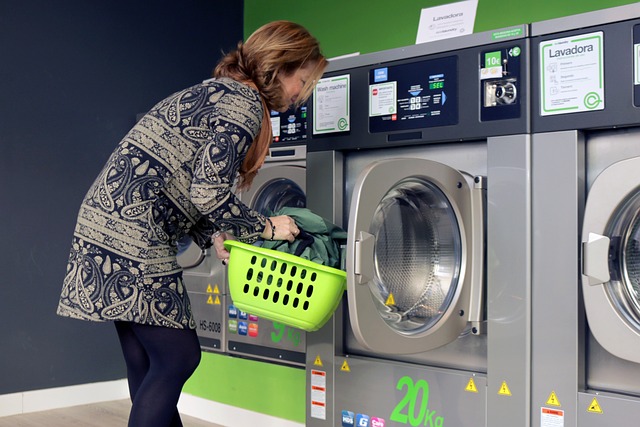
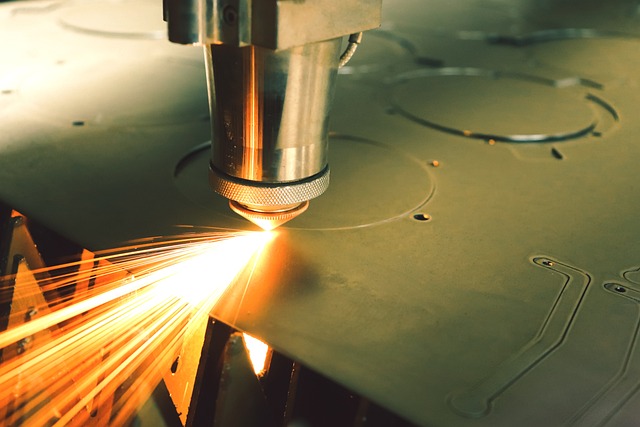
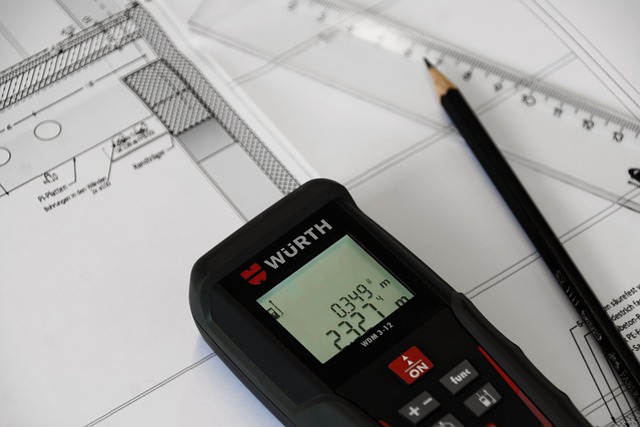
28: MECHANICAL SYSTEM REPLACEMENT (MECHANICS SUBSTITUTION, Another Sense, Replacement of Mechanical System): (A) Replace a mechanical means with an optical, acoustical, thermal or olfactory system i.e. sensory means (visual, acoustic, touch, taste, smell), (B) Introduce or use a field (electric, magnetic or electromagnetic etc) inside or to interact with an object (or system), (C) Replace field that is stationary with mobile or fixed with varying with time or random with structured, (E) Use fields in conjunction with field activated (e.g. ferromagnetic) objects (or systems) EXAMPLE: Color Code based part identification and assembling, use smell or visible compound/gas to detect a leakage instead of a mechanical or electrical sensor, Field Activated Switches, Mixing Two Powdered Particles (charging each with electro-statically opposite charges), MRI Scanners, Thermoplastic Metal Coating in Electromagnetic Field, Acoustic Fencing. SYNONYMS: MECHANICS SUBSTITUTION, Another Sense, Replacement of a Mechanical System ACB: “Mechanical Substitution” involves replacing traditional mechanical components or actions with alternative non-mechanical elements or processes to achieve the desired functionality or overcome contradictions. This principle encourages engineers and innovators to explore solutions beyond conventional mechanical approaches. Replace or substitute traditional mechanical elements or actions with non-mechanical alternatives to achieve the same or improved functionality and overcome contradictions. Traditional mechanical components may contribute to contradictions such as complexity, wear, or maintenance issues. Identify non-mechanical alternatives, such as using magnetic, electrical, pneumatic, or other principles to achieve the same or improved functionality while addressing the contradictions. Users prefer wireless headphones for freedom of movement, as they face challenges with tangled cables when using separate headphones and microphones. Wireless headphones with integrated microphone and speaker components provide freedom of movement without the hassle of managing cables. Explore alternatives like magnetic levitation, air bearings, or non-contact technologies to replace traditional mechanical components, reducing wear and friction. Consider using non-mechanical components, sensors, or electronic controls to simplify the design and assembly, while maintaining or improving functionality. Introduce non-mechanical precision technologies, such as laser systems, optical sensors, or electronic control systems, to enhance precision without relying solely on traditional mechanical components. Explore non-mechanical alternatives like piezoelectric actuators, electromagnetic systems, or smart materials to improve efficiency and address energy-related contradictions. Investigate non-mechanical alternatives, including advanced materials, smart structures, or miniaturized electronic components, to achieve the desired functionality with reduced weight and size. The Mechanical Substitution Principle encourages creative thinking by looking beyond conventional mechanical solutions and considering innovative alternatives from various domains of science and engineering. This approach can lead to more efficient, reliable, and elegant solutions to engineering challenges. The “Mechanical Substitution” involves replacing a solid structure with a flexible or deformable one. This substitution can lead to improved performance, increased adaptability, or enhanced functionality. Use of flexible materials and hydraulic systems for shock absorbers, allowing better adaptation to road irregularities. Implementation of foldable designs with flexible joints, allowing for easy portability and storage. Introduction of flexible and expandable hoses that can stretch when water pressure is applied and contract when not in use. Integration of accordion-like bellows made of flexible material to allow movement and absorb vibrations. Development of flexible PCBs using flexible materials like polyimide, enabling them to conform to curved surfaces or fit into tight spaces. Introduction of soft robotics grippers made of flexible materials, allowing safer interaction with delicate objects and adapting to various shapes. Use of flexible and dynamic mechanical seals that adjust to variations in shaft movements, reducing wear and improving efficiency. Implementation of expandable bellows made of flexible materials to absorb thermal expansion or contraction in pipes. Integration of artificial muscles or soft actuators that mimic the flexibility and adaptability of natural muscles.Rigid glass screens on smartphones. Introduction of flexible OLED displays that can bend or fold, allowing for innovative device designs. The mechanics substitution principle emphasizes the advantages of incorporating flexibility and adaptability into mechanical systems, resulting in improved performance and expanded functionality. LIDAR (Light Detection and Ranging) and similar technologies use laser or infrared (IR) light to measure distances with precision and efficiency. Unlike a traditional measuring tape, which relies on physical contact, these technologies utilize the principles of light reflection and time-of-flight to determine distances. LIDAR devices emit a laser beam or infrared light toward a target area. The emitted light interacts with objects in its path. Some of the light reflects off these objects and returns toward the LIDAR sensor. The LIDAR sensor measures the time it takes for the emitted light to travel to the object and back (time-of-flight). By knowing the speed of light, the sensor calculates the distance based on the time it took for the light to make the round trip. The returning light is detected by a sensor, and the device analyzes the time-of-flight data. Using the calculated time-of-flight, the LIDAR system determines the precise distance to the object or surface that reflected the light. In applications such as mapping or surveying, multiple distance measurements are taken from different angles. The collected distance data is used to generate a point cloud or a 3D map of the scanned area. LIDAR technology is widely used in various fields, including remote sensing, autonomous vehicles, robotics, geospatial mapping, forestry, and more. Its ability to provide accurate and real-time distance measurements, often in 3D, makes it valuable for applications where precise spatial information is crucial. The concept of “mechanical substitution” in generally refers to replacing a physical, mechanical component or action with a different, non-mechanical solution. In the case of an e-book, while it might not directly involve a mechanical component, it represents a form of substitution in the context of information delivery and reading experience. Traditional printed books involve the physical mechanics of paper, ink, and binding. The introduction of e-books substitutes these physical elements with digital technology. The mechanics of turning physical pages are replaced by digital mechanisms such as swiping or tapping on a screen. The substitution involves a shift from a mechanical, tangible medium to a digital, electronic one. LASIK (Laser-Assisted In Situ Keratomileusis) is a surgical procedure designed to correct refractive errors in the eye, such as myopia (nearsightedness), hyperopia (farsightedness), and astigmatism. By reshaping the cornea, LASIK can improve vision and reduce or eliminate the need for glasses or contact lenses. By reshaping the cornea, LASIK allows light to be focused