Prior Counteraction
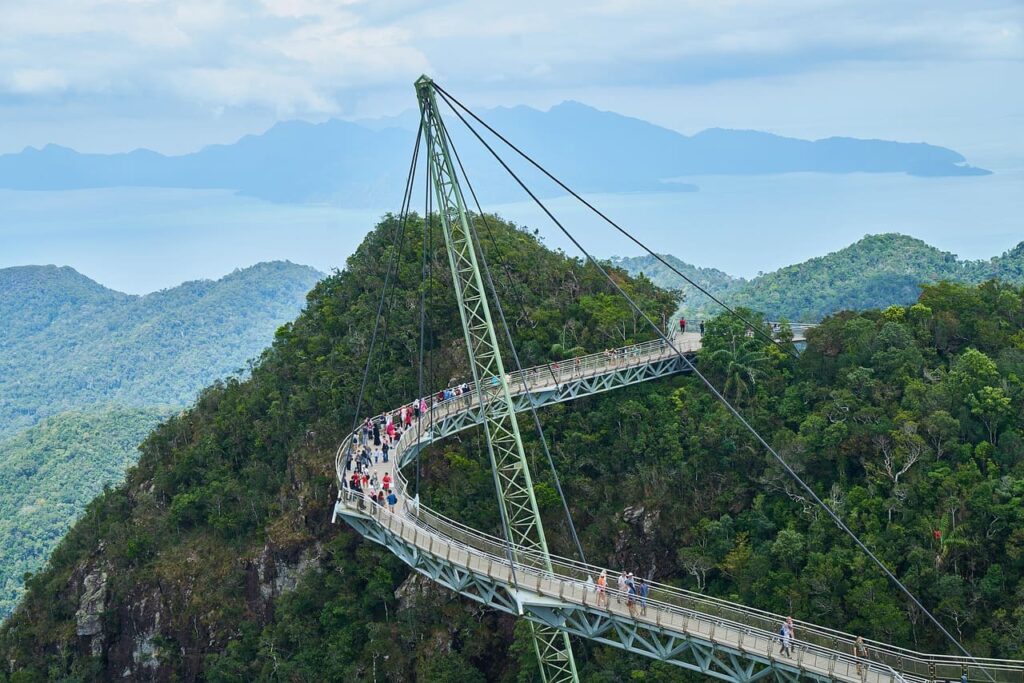
9: PRIOR COUNTERACTION (PRELIMINARY ANTI-ACTION): (A) Perform additional useful or harmful action as a counter action (anti-action) to compensate (or prevent) excessive and undesirable effect or harmful effect later on, produced by an object or system (B) Create an action within an object or system such that it opposes undesireable inflluence of environment on its operation or working conditions. EXAMPLE: Reinforced Concrete (adding steel reinforcements to concrete structures to strengthen and prevent cracking under stress, increasing durability), Masking Tapes for Painting, Pre- Stressed Bolts/Springs (applying tension to bolts before they are used to secure objects, ensuring they remain tightly fastened even under external forces), Pre-Shrunked Cloths (treating fabrics to reduce the likelihood of shrinking when washed, preventing unwanted changes in size and fit), Car’s Rear Window (creating tempered glass for a car’s rear window with pre-compressed surfaces under tension to enhance its strength and resistance to impact.), Buffering (lag or delayed streaming), Masking in X-Ray/Painting (using masking tape to cover surfaces before exposing to radiation or painting to prevent radiations or paint from seeping onto unintended areas or causing a harm). SYNONYMS: PRELIMINARY ANTI-ACTION, Anticipatory Action ACB: “Prior Counteraction” is a principle that involves taking proactive steps to prevent or counteract potential problems or undesired effects before they actually occur. Instead of waiting for a problem to arise and then solving it, this principle focuses on anticipating and addressing issues in advance. By identifying and addressing potential challenges early in the design or problem-solving process, the goal is to eliminate or minimize the negative consequences that could occur later on. This proactive approach helps to prevent the need for corrective actions, reduces risks, and enhances the overall efficiency and effectiveness of a system, process, or product. Preliminary counteraction or anti-action or prior counteraction, is a proactive approach to mitigating risks, aiming to eliminate or minimize potential risks through initial preventive measures. The Failure Modes and Effects Analysis (FMEA) is a structured technique that is used to evaluate processes, identifying potential failure points and assessing the feasibility of implementing preventive measures. Similarly, SWOT analysis serves as another tool to assess the strengths, weaknesses, opportunities, and threats in a given context, process, or situation. Conducting a SWOT analysis serves as a form of preliminary counteraction. When a course of action yields both beneficial and detrimental outcomes, substituting anti-actions to manage the adverse effects is advisable. “Priro Counteraction” encourages engineers and innovators to think ahead and consider possible negative scenarios, weaknesses, or failures that could occur due to the nature of the problem or system at hand. By implementing preventative measures or design modifications, they can ensure a smoother operation and increase the likelihood of achieving the desired results without unexpected setbacks. Preloading countertension (or counteraction or counter-stress) to an object in advance involves applying an opposing force or stress to the object before it experiences an excessive or undesirable stress, with the aim of compensating for or protecting it from the impending harm. Essentially, this principle involves proactively introducing a counterbalancing force to mitigate the effects of anticipated stress or pressure on the object. Preloading countertension is a proactive approach to engineering design that aims to anticipate and mitigate potential sources of stress or harm to objects or systems. By introducing counteracting forces or stresses in advance, engineers can enhance the resilience, stability, and safety of technical systems in a variety of applications. Here are a few examples of technical systems where this principle could be applied: Bridge Construction: In the construction of bridges, engineers may preload countertension into support cables or beams to counteract the weight of vehicles and other loads that will be placed on the bridge. By tensioning the cables or beams in advance, engineers can ensure that the bridge structure remains stable and resilient under the expected loads. Building Foundations: When constructing buildings on unstable or shifting soil, builders may employ techniques such as preloading countertension to mitigate the risk of foundation settlement or structural damage. By applying downward pressure or compacting the soil before building, builders can help stabilize the foundation and prevent excessive settling or shifting over time. Automotive Safety Systems: In automotive safety systems, such as seat belts and airbags, preloading countertension is used to protect occupants in the event of a crash. For example, seat belts are designed to apply tension to restrain occupants and prevent them from being thrown forward in a collision, while airbags are preloaded with gas to rapidly inflate and cushion occupants upon impact. Industrial Machinery: In heavy machinery and equipment, preloading countertension may be used to protect components from excessive stress or vibration during operation. For example, in rotating machinery such as turbines or engines, counterweights or balancing mechanisms may be preloaded to offset the centrifugal forces generated by rotating parts and ensure smooth operation. Reversing the system’s properties involves intentionally altering certain parameters, such as pressure, temperature, or volume, to adapt to extreme or excessive operating conditions. For instance, preemptively cooling a system if it will be exposed to extreme heat is a proactive approach aimed at maintaining optimal functionality and preventing damage due to overheating. Reversing the system’s properties to accommodate extreme operating conditions involves proactive measures to regulate temperature, pressure, or other parameters to maintain functionality and prevent damage. By preemptively adjusting system properties, engineers can enhance the resilience and reliability of technical systems in a variety of applications. Here are examples of technical systems where this principle could be applied: Data Centers: In data centers where servers generate significant heat during operation, cooling systems are essential to maintain optimal operating temperatures. By preemptively cooling the data center environment using air conditioning or liquid cooling systems, operators can prevent overheating and ensure continuous operation of critical IT infrastructure. Aircraft Engines: Aircraft engines operate under extreme conditions, including high temperatures and pressures during takeoff and flight. To prevent overheating and maintain engine performance, advanced cooling systems are integrated into the engine design. These systems may involve the circulation of coolant fluids or the use of air-cooling mechanisms to dissipate heat effectively. Power Plants: Power generation facilities, such as thermal power plants, often operate