
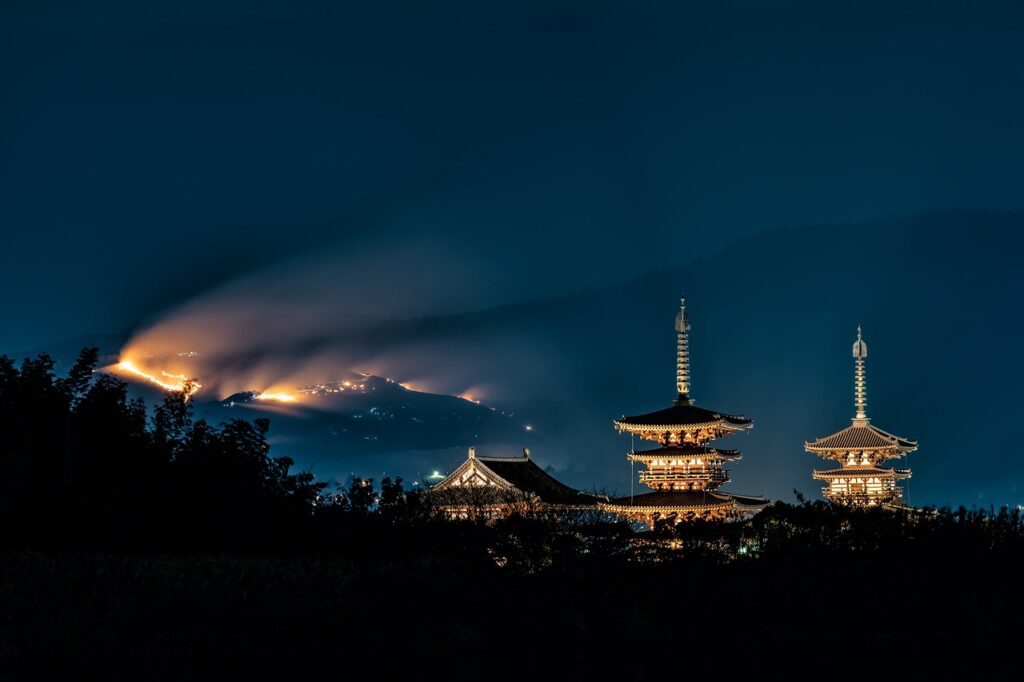
Kyoto, Japan – I
Kyoto, Japan, is a city steeped in history, culture, and tradition. It served as the imperial capital of Japan for over a thousand years, from 794 until the capital was moved to Tokyo in 1868. As a result, Kyoto is home to numerous temples, shrines, palaces, and gardens, many of which are UNESCO World Heritage Sites. Kyoto is known for its well-preserved historical sites, including the famous Kinkaku-ji (Golden Pavilion), Ginkaku-ji (Silver Pavilion), Kiyomizu-dera Temple, and Fushimi Inari Taisha Shrine, famous for its thousands of torii gates. The city is a center for traditional Japanese culture, including tea ceremonies, kimono wearing, and flower arranging (ikebana). While the emperor and the imperial family moved to Tokyo with the Meiji Restoration in 1868, the Kyoto Imperial Palace remains an important cultural site. Visitors can tour the palace grounds and buildings. Kyoto is a must-visit destination for anyone interested in Japanese history, culture, and tradition. Its timeless beauty and rich heritage continue to enchant visitors from around the world. Visitors can experience these traditions firsthand by participating in workshops or visiting cultural centers. Kyoto is beautiful year-round, but it’s particularly famous for its cherry blossoms in spring and vibrant autumn foliage. The city’s temples and gardens provide stunning backdrops for enjoying these seasonal phenomena. While steeped in tradition, Kyoto is also a modern city with bustling shopping streets, vibrant nightlife, and a thriving arts scene. The city seamlessly blends its historical past with contemporary culture. Built in the 17th century, Nijo Castle is a UNESCO World Heritage Site and a prime example of feudal castle architecture. Its “nightingale floors” squeak to alert of intruders, and the gardens surrounding the castle are exquisite. Gion is Kyoto’s most famous geisha district, known for its traditional wooden machiya houses and tea houses. Visitors often stroll through Gion in hopes of catching a glimpse of geisha or maiko (apprentice geisha) hurrying to appointments. Just outside the city center lies the Arashiyama district, famous for its bamboo groves. Walking through these towering bamboo stalks is a serene and picturesque experience. Kyoto is renowned for its traditional cuisine, known as Kyo-ryori, which often emphasizes seasonal ingredients and subtle flavors. Dishes like kaiseki (multi-course meals) and tofu-based dishes are highlights. https://youtu.be/IMjwqUeEOo4https://youtu.be/fjpj0PquGlkhttps://youtu.be/4hNL3agPSvc Kyoto offers a plethora of attractions for tourists, ranging from historical landmarks to cultural experiences. Kinkaku-ji (Golden Pavilion): One of Kyoto’s most iconic sights, Kinkaku-ji is a Zen Buddhist temple with a stunning golden pavilion set amidst a serene pond and lush greenery. Fushimi Inari Taisha: Known for its thousands of vermillion torii gates leading up the mountain, Fushimi Inari Taisha is dedicated to Inari, the Shinto god of rice and prosperity. Visitors can hike through the gates to enjoy panoramic views of Kyoto. Kiyomizu-dera Temple: Perched on a hillside, Kiyomizu-dera offers sweeping views of Kyoto. The temple’s main hall, supported by wooden pillars, is a UNESCO World Heritage Site and a marvel of Japanese architecture. Arashiyama Bamboo Grove: Located in the Arashiyama district, the bamboo grove is a tranquil retreat where visitors can walk through towering bamboo stalks on winding paths. Gion District: Famous for its traditional machiya houses and teahouses, Gion is Kyoto’s geisha district. Visitors can wander its narrow streets, visit historic tea houses, and, if lucky, catch a glimpse of geisha or maiko. Nijo Castle: Built in the 17th century, Nijo Castle is a UNESCO World Heritage Site known for its exquisite gardens, ornate interiors, and “nightingale floors” designed to squeak and alert of intruders. Philosopher’s Path: A scenic walking trail along a canal lined with cherry trees, the Philosopher’s Path is especially beautiful during cherry blossom season, offering a peaceful escape from the city. Ryoan-ji Temple: Famous for its rock garden, Ryoan-ji is a Zen temple known for its minimalist design and tranquil atmosphere. Nishiki Market: Often referred to as “Kyoto’s Kitchen,” Nishiki Market is a bustling covered market offering a wide array of fresh seafood, produce, Kyoto specialties, and traditional snacks. Kyoto Imperial Palace: While the emperor and the imperial family moved to Tokyo in the 19th century, the Kyoto Imperial Palace remains an important cultural site. Visitors can tour the palace grounds and buildings. 10: GION HIGASHIYAMA Gion, Higashiyama (geisha, Kiyomizu-dera, Shirakawa Lane, Kamo river) district is characterized by its well-preserved machiya houses, traditional wooden townhouses with narrow facades and long, deep interiors. Many of these machiya have been converted into restaurants, teahouses, and shops. Kiyomizu-dera Temple: Perched on a hillside, Kiyomizu-dera offers sweeping views of Kyoto. The temple’s main hall, supported by wooden pillars, is a UNESCO World Heritage Site and a marvel of Japanese architecture. Shirakawa Lane is situated in the heart of the Gion district, Kyoto’s historic geisha district. It is within walking distance of other popular attractions in Gion, such as Hanami-koji Street, where visitors can spot geisha and maiko (apprentice geisha) in their traditional attire. https://youtu.be/v-7j3DInO-Ahttps://youtu.be/8V4F96uyW1Ahttps://youtu.be/B8SzqC888a0 Gion Higashiyama is a historic district in Kyoto, Japan, renowned for its preserved traditional atmosphere, charming streets, and significant cultural landmarks. Gion Higashiyama is one of Kyoto’s most famous geisha districts. Visitors can often spot geisha (known as geiko in Kyoto dialect) or apprentice geisha (maiko) adorned in elegant kimono, hurrying to appointments or performances. The district is characterized by its well-preserved machiya houses, traditional wooden townhouses with narrow facades and long, deep interiors. Many of these machiya have been converted into restaurants, teahouses, and shops. Gion Higashiyama is home to numerous teahouses and restaurants where visitors can experience traditional Japanese cuisine and tea ceremonies. Some establishments offer exclusive opportunities to dine with geisha or watch traditional performances. Located at the eastern end of Shijo-dori, Yasaka Shrine is one of Kyoto’s most prominent Shinto shrines. It is especially popular during festivals such as the Gion Matsuri held in July, one of Japan’s largest and most famous festivals. One of Kyoto’s most important temples, Chion-in is the headquarters of the Jodo sect of Japanese Buddhism. The temple complex features impressive gates, halls, and gardens, including Japan’s largest temple bell. Adjacent to Yasaka Shrine, Maruyama Park is a popular spot for cherry blossom viewing (hanami) in spring. The park’s large weeping cherry tree (shidare-zakura) is illuminated at night during the cherry blossom season, creating a