wisdomhoots

Cushioning In Advance

11: CUSHIONING IN ADVANCE (BEFOREHAND CUSHIONING,  Emergency Measures, Fallback Options, Design for Failures): (A) Compensate for the relatively low reliability of an object (or system) with emergency measures (or fallback or countermeasure or back-up) prepared in advance (B) Incorporate a preemptive measure or protective feature into a design to avoid or minimize potential issues that may arise during the operation or use of a system. EXAMPLE: Plastic coating for liquid containers, Back-up Parachutes, Spares, Fire Extinguishers, Air Bags, Quarantine, Vaccination, Immunity Enhancing Drugs, Impact Resistance Packaging, Redundant Parts, Data Back-up, Power Bank, Magnetic Anti-Theft Tags, Emergency Oxygen Masks in Aircrafts. SYNONYMS: Beforehand Cushioning, Softening, Error-Proofing, Mistake-Proofing, Failsafe, Emergency Measures, Fallback Options, Design for Failures. Compensate for the relatively low reliability of an object with emergency measures (or fallback or countermeasures) prepared in advance  ACB: “Cushioning in advance” or “Beforehand Cushioning” is a concept that suggests introducing a buffering or cushioning element to a system in anticipation of potential future problems or impacts. The goal is to prevent or mitigate negative effects before they occur. In practical terms, this  involves incorporating a preemptive measure or protective feature into a design to avoid or minimize potential issues that may arise during the operation or use of a system. Consider the design of a fragile electronic device, such as a smartphone. The device is susceptible to damage if dropped, leading to issues like a cracked screen. The device is vulnerable to damage from impacts, particularly when dropped. Incorporate features like shock-absorbing materials, air pockets, or protective casing into the design of the smartphone. These features act as a cushioning mechanism that absorbs the impact energy in the event of a fall, reducing the risk of damage. Some smartphones are designed with impact-resistant cases that include materials like silicone or polymers that absorb shock upon impact. This beforehand cushioning helps protect the device from damage during accidental drops. Spell-checking tools automatically scan the text for spelling errors. They compare the words in the document against a dictionary, highlighting or suggesting corrections for words that do not match recognized spellings. In addition to spelling errors, advanced spell-checkers also detect certain grammatical errors, such as incorrect verb forms, tense usage, or subject-verb agreement. This helps users maintain grammatical accuracy in their writing. Auto-correction features automatically replace misspelled words with the most likely correct alternatives. This can be particularly helpful for quickly fixing errors while typing, reducing the need for manual corrections. “Compensate for the relatively low reliability or failure of an object, its operations, or actions, with emergency measures prepared in advance” suggests preparing contingency plans or backup systems in anticipation of potential failures or malfunctions in a technical system. By pre-planning and implementing emergency power generation systems, facilities can compensate for the low reliability of primary power sources and maintain continuity of operations during unexpected outages or failures. This proactive approach helps minimize downtime, prevent data loss, and ensure the safety and well-being of personnel and patients in critical environments. By implementing emergency measures ahead of time, engineers can mitigate the impact of system failures and ensure continuity of operations. Emergency Power Generation System: In critical infrastructure facilities such as hospitals, data centers, and telecommunications hubs, maintaining continuous power supply is essential. To compensate for the relatively low reliability of primary power sources, these facilities often incorporate emergency power generation systems, such as backup generators or uninterruptible power supply (UPS) systems. These emergency systems are designed to automatically activate in the event of a power outage or failure of the primary power source. Backup generators, for example, are equipped with sensors and control systems that detect power loss and initiate startup procedures to provide electricity to essential equipment and systems. Similarly, UPS systems use batteries or flywheels to provide immediate power backup while generators start up, ensuring uninterrupted operation of critical systems. “Compensate for the harmful effects or actions on the environment caused by the system” refers to implementing measures to mitigate or offset the negative impacts that a technical system may have on the surrounding environment. By treating wastewater before it is released into rivers, lakes, or oceans, wastewater treatment plants help protect aquatic ecosystems, safeguard public health, and ensure compliance with environmental regulations. This proactive approach to environmental management demonstrates how technical systems can compensate for the harmful effects on the environment caused by human activities.This involves identifying and addressing environmental concerns associated with the system’s operation, with the goal of minimizing ecological damage and promoting sustainability. Wastewater Treatment Plant: A wastewater treatment plant is an example of a technical system that compensates for the harmful effects on the environment caused by human activities, such as industrial processes and urban development. These plants are designed to treat and purify wastewater before it is discharged back into the environment, thereby mitigating the pollution and ecological damage that would otherwise result from the release of untreated sewage. Wastewater treatment plants utilize various processes, including physical, chemical, and biological treatment methods, to remove contaminants and pollutants from wastewater. This includes removing solids through sedimentation, breaking down organic matter through biological processes, and disinfecting the water to eliminate pathogens. Additionally, some advanced wastewater treatment plants incorporate technologies such as membrane filtration, ultraviolet disinfection, and nutrient removal systems to further enhance treatment efficiency and reduce environmental impact. The beforehand cushioning feature helps prevent or minimize damage to the system in situations that could potentially lead to negative consequences. By addressing potential issues in advance, the reliability and durability of the system are improved. It’s essential to strike a balance in design so that the beforehand cushioning doesn’t compromise other aspects of the system, such as weight, size, or functionality. The effectiveness of the cushioning mechanism needs to be thoroughly tested and validated to ensure it provides the intended protection. Applying the “Cushioning in advance” inventive principle can lead to innovative solutions that enhance the resilience and durability of systems by proactively addressing potential challenges before they become critical issues. Traffic alert systems use real-time data and sensors to provide drivers with information about traffic conditions, road closures, accidents, and other relevant updates. This helps drivers make informed decisions and avoid potential hazards


Prior Action

10: PRIOR ACTION: (A) Perform required change or action (before it is needed or necessary) to an object (or system) either fully or partially in advance, (B) Place or arrange objects (or systems) in advance such that they can come into action from the most convenient location and when needed (without any delay or idle time).  EXAMPLE: Sterilized Surgical Instruments, Pre-Cooked Food or Ready Meals, Reusable Components, Pre-Assembled Sub- Assemblies, Post-It, Self-Adhesive Postal Stamps, Pre- Pasted/Printed Wall Papers, Fire Extinguishers (in proximity of fire prone areas), Road Signs, Telephone Directory, Fire Drills. , Web Page Indexing (Internet Search), Pre-Heating Car (During Winter). SYNONYMS: PRELIMINARY ACTION ACB: The Preliminary Action principle involves taking specific actions before a problem arises to prevent the problem or to minimize its impact. Instead of waiting for a problem to occur and then addressing it, this principle focuses on proactive measures. The idea is to anticipate potential issues and take actions to eliminate or mitigate them in advance. This principle encourages identifying and addressing challenges at the early stages, preventing them from becoming significant obstacles. It aligns with the concept of proactive problem-solving and risk management. Perform required changes (useful action or operations or process) to (or by) an object completely or partially in advance (ahead of time): Performing required changes in advance enables engineers to anticipate and address potential challenges or opportunities before they arise, leading to more efficient, reliable, and resilient technical systems. By leveraging predictive analytics, automation, and advanced planning techniques, engineers can optimize system performance and enhance overall effectiveness across various domains. This principle involves initiating necessary changes or actions to an object before they are immediately required, either partially or completely in advance. By proactively addressing potential needs or requirements, engineers can enhance the efficiency, reliability, and performance of technical systems. Here are examples of technical systems where this principle could be applied: Predictive Maintenance in Manufacturing: In manufacturing plants, predictive maintenance systems analyze equipment performance data to anticipate potential failures before they occur. By monitoring parameters such as temperature, vibration, and lubricant quality, these systems can detect early signs of equipment degradation and initiate maintenance activities, such as lubrication or part replacement, in advance. This proactive approach minimizes downtime and prevents costly equipment failures. Traffic Management Systems: Traffic management systems utilize real-time data and predictive algorithms to optimize traffic flow and reduce congestion on roadways. By analyzing historical traffic patterns, weather forecasts, and special events, these systems can anticipate traffic bottlenecks or accidents before they occur and adjust traffic signals or route traffic to alternative routes in advance. This proactive approach helps minimize traffic delays and improve overall transportation efficiency. Smart Grid Technology: In electrical power distribution systems, smart grid technology enables utilities to anticipate and manage fluctuations in electricity demand more effectively. By integrating sensors, meters, and automated control systems, smart grids can anticipate peak demand periods and adjust power generation and distribution accordingly. For example, utilities can remotely adjust power output from renewable energy sources or deploy energy storage systems to supplement grid capacity during peak demand periods. This proactive approach helps ensure reliable electricity supply and optimize energy efficiency. Weather Forecasting and Disaster Preparedness: Weather forecasting and disaster preparedness systems utilize advanced modeling techniques and satellite imagery to anticipate extreme weather events, such as hurricanes, tornadoes, or floods, in advance. By issuing timely warnings and implementing emergency response plans, authorities can evacuate residents, reinforce infrastructure, and allocate resources to mitigate the impact of these events. This proactive approach helps save lives, protect property, and minimize disruption to communities. Place (pre-arrange) objects in advance so that they can go into action immediately (without waiting or consuming time) from the most convenient location (better relative position in space and/or time as in dynamicity): Pre-arranging objects in advance enables engineers to optimize resource allocation, streamline operations, and improve system responsiveness in a wide range of applications. By strategically positioning objects for immediate action from the most convenient locations, engineers can enhance efficiency, reduce delays, and maximize system performance across various domains. This principle emphasizes the strategic arrangement of objects or resources in advance to enable immediate action from the most advantageous position, whether in terms of spatial proximity or temporal readiness. By pre-arranging objects in optimal locations or configurations, engineers can minimize delays, enhance efficiency, and improve overall system performance. Here are examples of technical systems where this principle could be applied: Warehouse Management Systems: In warehouse operations, goods are pre-arranged and strategically positioned to facilitate efficient picking, packing, and shipping processes. By organizing inventory based on factors such as demand forecast, product popularity, and storage capacity, warehouse managers can ensure that items are readily accessible and can be dispatched for delivery without delay. Automated retrieval systems, such as robotic palletizers or conveyor belts, further streamline the process by enabling rapid movement of goods to the shipping area from the most convenient locations within the warehouse. Emergency Response Systems: In emergency response scenarios, such as firefighting or disaster relief operations, pre-positioning of resources is crucial to expedite response times and minimize the impact of emergencies. Fire departments, for example, strategically station firefighting equipment, such as fire trucks and hydrants, in locations that provide optimal coverage and accessibility to high-risk areas. Similarly, disaster relief organizations pre-position supplies, such as food, water, and medical supplies, in strategic locations to ensure rapid deployment and distribution in the event of natural disasters or humanitarian crises. Military Logistics: In military operations, pre-positioning of equipment and supplies is essential for maintaining readiness and response capabilities. Military forces strategically deploy assets, such as ammunition depots, fuel caches, and forward operating bases, in locations that provide tactical advantage and operational flexibility. By pre-arranging resources in proximity to potential conflict zones or strategic objectives, military planners can ensure rapid deployment and sustained support to troops in the field, minimizing logistical challenges and maximizing operational effectiveness. Public Transportation Systems: In urban transportation systems, pre-arrangement of vehicles and scheduling of routes are critical for optimizing service reliability and minimizing passenger wait times. Transit agencies utilize advanced scheduling algorithms and real-time tracking systems to coordinate

Prior Counteraction

9: PRIOR COUNTERACTION (PRELIMINARY ANTI-ACTION): (A) Perform additional useful or harmful action as a counter action (anti-action) to compensate (or prevent) excessive and undesirable effect or harmful effect later on, produced by an object or system  (B) Create an action within an object or system such that it opposes undesireable inflluence of environment on its operation or working conditions. EXAMPLE:  Reinforced Concrete (adding steel reinforcements to concrete structures to strengthen and prevent cracking under stress, increasing durability), Masking Tapes for Painting, Pre- Stressed Bolts/Springs (applying tension to bolts before they are used to secure objects, ensuring they remain tightly fastened even under external forces), Pre-Shrunked Cloths (treating fabrics to reduce the likelihood of shrinking when washed, preventing unwanted changes in size and fit), Car’s Rear Window (creating tempered glass for a car’s rear window with pre-compressed surfaces under tension to enhance its strength and resistance to impact.), Buffering (lag or delayed streaming),   Masking in X-Ray/Painting (using masking tape to cover surfaces before exposing to radiation or painting to prevent radiations or paint from seeping onto unintended areas or causing a harm).  SYNONYMS: PRELIMINARY ANTI-ACTION, Anticipatory Action ACB: “Prior Counteraction” is a principle that involves taking proactive steps to prevent or counteract potential problems or undesired effects before they actually occur. Instead of waiting for a problem to arise and then solving it, this principle focuses on anticipating and addressing issues in advance. By identifying and addressing potential challenges early in the design or problem-solving process, the goal is to eliminate or minimize the negative consequences that could occur later on. This proactive approach helps to prevent the need for corrective actions, reduces risks, and enhances the overall efficiency and effectiveness of a system, process, or product. Preliminary counteraction or anti-action or prior counteraction, is a proactive approach to mitigating risks, aiming to eliminate or minimize potential risks through initial preventive measures. The Failure Modes and Effects Analysis (FMEA) is a structured technique that is used to evaluate processes, identifying potential failure points and assessing the feasibility of implementing preventive measures. Similarly, SWOT analysis serves as another tool to assess the strengths, weaknesses, opportunities, and threats in a given context, process, or situation. Conducting a SWOT analysis serves as a form of preliminary counteraction. When a course of action yields both beneficial and detrimental outcomes, substituting anti-actions to manage the adverse effects is advisable. “Priro Counteraction” encourages engineers and innovators to think ahead and consider possible negative scenarios, weaknesses, or failures that could occur due to the nature of the problem or system at hand. By implementing preventative measures or design modifications, they can ensure a smoother operation and increase the likelihood of achieving the desired results without unexpected setbacks. Preloading countertension (or counteraction or counter-stress) to an object in advance involves applying an opposing force or stress to the object before it experiences an excessive or undesirable stress, with the aim of compensating for or protecting it from the impending harm. Essentially, this principle involves proactively introducing a counterbalancing force to mitigate the effects of anticipated stress or pressure on the object. Preloading countertension is a proactive approach to engineering design that aims to anticipate and mitigate potential sources of stress or harm to objects or systems. By introducing counteracting forces or stresses in advance, engineers can enhance the resilience, stability, and safety of technical systems in a variety of applications. Here are a few examples of technical systems where this principle could be applied:  Bridge Construction: In the construction of bridges, engineers may preload countertension into support cables or beams to counteract the weight of vehicles and other loads that will be placed on the bridge. By tensioning the cables or beams in advance, engineers can ensure that the bridge structure remains stable and resilient under the expected loads. Building Foundations: When constructing buildings on unstable or shifting soil, builders may employ techniques such as preloading countertension to mitigate the risk of foundation settlement or structural damage. By applying downward pressure or compacting the soil before building, builders can help stabilize the foundation and prevent excessive settling or shifting over time. Automotive Safety Systems: In automotive safety systems, such as seat belts and airbags, preloading countertension is used to protect occupants in the event of a crash. For example, seat belts are designed to apply tension to restrain occupants and prevent them from being thrown forward in a collision, while airbags are preloaded with gas to rapidly inflate and cushion occupants upon impact. Industrial Machinery: In heavy machinery and equipment, preloading countertension may be used to protect components from excessive stress or vibration during operation. For example, in rotating machinery such as turbines or engines, counterweights or balancing mechanisms may be preloaded to offset the centrifugal forces generated by rotating parts and ensure smooth operation.  Reversing the system’s properties involves intentionally altering certain parameters, such as pressure, temperature, or volume, to adapt to extreme or excessive operating conditions. For instance, preemptively cooling a system if it will be exposed to extreme heat is a proactive approach aimed at maintaining optimal functionality and preventing damage due to overheating. Reversing the system’s properties to accommodate extreme operating conditions involves proactive measures to regulate temperature, pressure, or other parameters to maintain functionality and prevent damage. By preemptively adjusting system properties, engineers can enhance the resilience and reliability of technical systems in a variety of applications. Here are examples of technical systems where this principle could be applied: Data Centers: In data centers where servers generate significant heat during operation, cooling systems are essential to maintain optimal operating temperatures. By preemptively cooling the data center environment using air conditioning or liquid cooling systems, operators can prevent overheating and ensure continuous operation of critical IT infrastructure. Aircraft Engines: Aircraft engines operate under extreme conditions, including high temperatures and pressures during takeoff and flight. To prevent overheating and maintain engine performance, advanced cooling systems are integrated into the engine design. These systems may involve the circulation of coolant fluids or the use of air-cooling mechanisms to dissipate heat effectively. Power Plants: Power generation facilities, such as thermal power plants, often operate

Counterweight

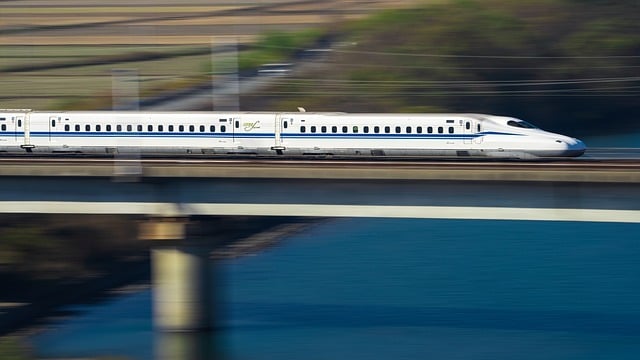
8: COUNTERWEIGHT: (A) Compensate the weight of an object (or system) by combining or merging with another object (or system) that provides a lifting or counterbalancing or supporting forces, (B) Compensate for the weight of an object (or system), with the forces present in the external environment (e.g., use aerodynamic, hydrodynamic, buoyancy and other forces) to provide a lift or counterbalancing force.  EXAMPLE: Advertising (hydrogen/helium filled) Air Balloons, Magnetic Levitation, Floating Paint Brush, Racing Cars with rear wing, Hydrofoils in Ships, Life Saving Floats, Using Foaming Agents (into a bundle of logs to make it float better) SYNONYMS: Anti-weight, Counterbalance, Weight compensation, Buoyancy, Inteaction with environment –  Aerodynamics, Hydrodynamics, Lift, Magnetic Levitation, Weight Reduction, Floating Structures. ACB: The inventive principle of anti-weight or counterweight involves countering or neutralizing the weight or gravitational force acting on an object. It suggests methods to make an object lighter or provide mechanisms to counteract its weight, enabling easier handling, transportation, or manipulation.  The anti-weight inventive principle is crucial for optimizing efficiency, enhancing mobility, and addressing challenges associated with heavy objects. By employing creative solutions to counteract or minimize gravitational forces, this principle contributes to advancements in transportation, construction, and various fields where weight reduction is essential. The inventive principle of anti-weight or counterweight involves countering or neutralizing the weight or gravitational force acting on an object. It suggests methods to make an object lighter or provide mechanisms to counteract its weight, enabling easier handling, transportation, or manipulation.  The anti-weight inventive principle is crucial for optimizing efficiency, enhancing mobility, and addressing challenges associated with heavy objects. By employing creative solutions to counteract or minimize gravitational forces, this principle contributes to advancements in transportation, construction, and various fields where weight reduction is essential. Magnetic levitation (maglev) technology was invented in the early 20th century. However, practical applications, especially in transportation, began to take shape later. Hermann Kemper, a German engineer, received a patent for a magnetic levitation train concept in 1934. Eric Laithwaite, a British engineer, made significant contributions to maglev technology in the 1960s. He developed the first full-scale working model of a maglev train. The first commercial implementation of maglev technology for high-speed transportation occurred in Japan. The Central Japan Railway Company (JR Central) developed and introduced the SCMaglev (Superconducting Maglev) train. The first segment of the SCMaglev test track opened in 1997, and extensive testing has taken place since then. The implementation of maglev technology varies by region, and ongoing research and development continue to explore its potential applications. Japan is a pioneer in maglev technology. The SCMaglev train, known for its high speeds and smooth levitation, has been tested on the Yamanashi Maglev Test Line. China has developed and implemented its maglev technology. The Shanghai Maglev Train, which connects Pudong International Airport to the city center, is one of the most well-known maglev lines in operation. Germany has also been involved in maglev development. The Transrapid maglev system was tested on the Emsland Test Facility track. However, commercial implementation has been limited. South Korea has explored maglev technology for transportation, and there have been proposals for maglev train projects. Maglev trains can achieve very high speeds, significantly reducing travel time between cities. Maglev trains operate without physical contact with tracks, resulting in a smoother and quieter ride compared to traditional trains. With fewer moving parts and no contact between the train and the track, maglev systems generally require lower maintenance. Maglev trains levitate above the tracks, minimizing friction and wear on the infrastructure. Maglev systems can be more energy-efficient than traditional rail systems, especially at high speeds. When dealing with the weight of an object, two strategies can be employed. First, merge the object with other items that provide lift, effectively offsetting the weight. Second, make the object interact with the environment by utilizing aerodynamic, hydrodynamic, buoyancy, or other forces to counteract its weight. These strategies illustrate inventive ways to overcome the weight of objects, either by merging them with other buoyant elements or by exploiting environmental forces to create lift. The examples highlight the versatility of these principles in various fields, from transportation (ships, aircraft) to creative advertising solutions. (A) Merging with Other Objects: Injecting a foaming agent into a bundle of logs to make it more buoyant, allowing it to float better. Enhancing the buoyancy of an object by incorporating lightweight materials or structures. Interacting with the Environment: Ex: Designing aircraft wings with a shape that reduces air density above the wing, creating lift. Leveraging aerodynamics to generate lift, enabling heavier-than-air flight. Inflatable structures in aerospace or lightweight inflatable support systems.  Using inflatable components to displace air and reduce the net weight of an object. Reducing Intrinsic Weight i.e. Utilizing lightweight materials or advanced engineering to minimize the inherent weight of an object. Ex: Lightweight construction materials in aerospace or automotive industries. (B) Using External Forces: Ex: Incorporating hydrofoils on a ship to lift it out of the water, reducing drag. Employing hydrodynamic principles to counteract the weight of the ship and improve its efficiency. Employing magnetic forces to levitate an object, overcoming gravitational pull. Ex: Maglev trains or magnetic levitation devices.  (C) Combining Internal and External Forces: Ex: Using helium balloons to support advertising signs, combining the principles of buoyancy and merging with lift-providing objects. Enhancing the visibility of signage through a creative combination of buoyancy and external lift. The use of kites or sails to tow ships is a practice known as “kite towing” or “sail-assisted propulsion.” This method involves harnessing the power of the wind to provide additional thrust to the ship, reducing its reliance on traditional engine power. A large kite or sail is attached to the ship. The kite is often aerodynamically designed to capture wind energy efficiently. When the ship is at a suitable angle to the wind, the kite or sail captures the force of the wind. The aerodynamic shape and design of the kite or sail help convert wind energy into forward thrust. As the wind exerts force on the kite or sail, it creates a traction force that pulls the ship forward. This additional force complements the ship’s engine power, helping to propel it. The ship’s crew or automated control systems adjust the angle and position

Nesting

7: NESTING: (A) Place (embed or position or put or insert) an object (or system) inside another object and so on in a recursive manner, (B) Pass an object (or system) through the cavity of another object (or system). EXAMPLE: Door-within-a-door, Stacked Chairs, Telescoping/Extendable Antenna, Suspended oil storage reservoir (that stores different products in a single unit), Nested Doll, Zoom Lens, Sewing Thread, Needle, Key Ring, Lead Pencil, Capillary Action (e.g., in candles), Toilet Roll, Catheter is passed through sheath during angioplasty, Seat-Belt Retraction Mechanism, Retractable Aircraft landing Gear/Seat Belt, Mercury Thermometer, Measuring Cups, Folding Umbrella/Handle, Malls (shops within a shop), File Storage Structure (Folder Within A Folder).  SYNONYMS: NESTED DOLL, Hierarchical, Multi-Level, Multi-Layer, Recursion, Loops, Insertion ACB:  The Nesting or Nested Doll principle refers to the idea of enclosing one object within another, similar to the way nested dolls fit into each other. At an abstract level, the Nesting or Nested Doll inventive principle involves organizing and arranging components or objects in a hierarchical or nested structure, where one element fits within another. This principle aims to optimize space, enhance efficiency, and facilitate multifunctionality by carefully nesting elements within each other. In engineering and design, this principle is applied to create nested structures or components, allowing for space-saving, modular design, and protection of inner elements. The nesting principle is about maximizing the use of space and resources by placing one element within another in a systematic and efficient manner. The concept draws inspiration from the nesting dolls (Matryoshka dolls) where smaller dolls are placed inside larger ones. In problem-solving, applying the Nesting principle involves considering how components or functionalities can be organized in a nested manner to achieve compactness, resource efficiency, and streamlined design. Matryoshka Dolls is an example of nesting, where a set of wooden dolls of decreasing size is placed one inside the other. Some other popular examples of this principle are nesting of containers or boxes to save space during transportation and storage, designing components that fit within each other to create compact and space-efficient electronic devices. multi-tools or Swiss Army knives that have various tools nested within a single compact unit, Antennas, tripods, or other structures that can be extended or nested based on the need, tables or chairs that can be folded and nested to save space when not in use, collapsible drinking cups that can be collapsed or nested to reduce their size when empty, designing software modules or functions in a nested or recursive manner for efficient code organization, hierarchical organization of information in documents or databases for efficient retrieval, architectural designs inspired by the nesting concept for efficient use of space etc. In the context of solving business problems, the Nesting or Nested Doll inventive principle can be applied to optimize organizational structures, processes, and resource utilization. Applying the Nesting principle in these examples can contribute to efficiency, organization, and cost-effectiveness within various aspects of a business : Organizational Hierarchy: A large corporation can adopt a nested organizational hierarchy where each department is nested within larger divisions. This helps in streamlining communication, decision-making, and resource allocation. Project Management: When managing complex projects, a nested approach can be used with smaller sub-teams or work packages fitting within larger project phases. This enhances project coordination and efficiency. Product Packaging: In product packaging, consider designing packaging components that can nest within each other, allowing for space-efficient storage and transportation. This reduces packaging waste and logistics costs. Supply Chain Management: Apply nesting to the supply chain by organizing suppliers, manufacturers, and distributors in a nested structure. This can improve coordination, reduce lead times, and enhance overall supply chain efficiency. Information Systems: In database design, nesting can be applied by organizing data in a hierarchical manner. This is commonly seen in hierarchical databases where data is structured in a tree-like format. Training Programs: Design training programs with nested modules, where each module builds upon the knowledge gained in the previous one. This structured approach enhances learning efficiency. Marketing Campaigns: Develop nested marketing campaigns where individual tactics or channels are nested within a broader campaign strategy. This ensures a cohesive and integrated marketing approach. Financial Structures: Design financial structures with nested components, such as budgets allocated for departments within an organization. This provides clarity in financial planning and accountability. Product Design: In the design of modular products, components can be nested together, allowing for easy assembly and disassembly. This simplifies manufacturing processes and facilitates upgrades or repairs. Innovation Programs: Implement nested innovation programs where smaller innovation initiatives are nested within a broader innovation strategy. This allows for focused efforts aligned with overall business goals. The Lotus Blossom Technique is often associated with Japanese author and creativity expert Yasuo Matsumura. Matsumura introduced this method in his book titled “Idea Generation Techniques” published in 1996. The book outlines various creative thinking techniques, and the Lotus Blossom Technique is one of the methods featured. Yasuo Matsumura’s work has contributed to the field of creativity and idea generation, and the Lotus Blossom Technique has gained popularity as a structured and visual approach to brainstorming and problem-solving.  The Lotus Blossom Technique is named for its resemblance to a lotus flower, with the central idea as the seed and the surrounding petals representing the unfolding layers of ideas. It is a valuable tool for creative thinking and idea generation in a structured manner. It has been used in various contexts, including business, design, and innovation processes, to facilitate creative thinking and explore multiple dimensions of a central idea. It’s worth noting that while Matsumura is often credited with introducing the Lotus Blossom Technique in the context of idea generation, the method itself draws on principles of brainstorming and mind mapping, which have been utilized by various thinkers and educators over the years. The Lotus Blossom Technique is a structured brainstorming and idea generation method that helps explore multiple facets and perspectives related to a central idea or problem. It is a visual and systematic repetitive or recursive approach that encourages creative thinking and the development of interconnected ideas. The technique is often used in product development, problem-solving, and innovation processes. Here’s an overview of how the Lotus Blossom Method works: (1) Begin

Universality

6: UNIVERSALITY : (A) Make a part or object (or system) perform multiple (several different) functions; thereby eliminating the need for other parts (or elements) or objects (or systems) (B) Introduce or use commonly (widely or universally) acceptable standards. EXAMPLE: Sofa-cum-bed, Cycle-as-Wheelchair, Home-on-Wheels, Houseboat, Toothbrush (with inbuilt toothpaste disposal system in its handle), Child’s Car Safety Convertible into a Stroller, Internet Communication Protocols (HTML, XML, DHTML, HTTP) , Safety Standards  SYNONYMS: Multi-functionality, Universal, Standardization ACB:  Universality principle refers to the concept of making a part, object, or system perform multiple functions, ideally unrelated or diverse functions, without compromising its primary purpose, thereby eliminating the need for other parts, elements, objects, or systems. This principle encourages the design and development of solutions that have the capability to serve several different purposes, use resources efficiently, reduce complexity and redundancy or the overall count of components. A system or component should be designed to perform not just its primary function but also additional, diverse functions. In business contexts, multi-functionality can be seen in products that offer various features or services, reducing the need for consumers to buy separate items. For example, smartphones act as phones, cameras, navigational devices, and more. This approach can attract a broader market and enhance the product’s value proposition. In technical systems, a common example is a tool or device with multiple functionalities.  By making a component or system serve multiple functions, it maximizes the efficient use of resources, reducing waste and redundancy. Designing components with multiple functions can lead to more compact systems, saving space and potentially reducing overall size and weight. Achieving multiple functionalities with a single design can contribute to cost reduction by eliminating the need for separate components or systems for each function. The key is to carefully analyze the functions involved, ensuring that they complement each other and do not lead to conflicts or compromises in performance. Applying this principle can stimulate innovative thinking by finding novel ways to combine functions that were traditionally considered separate. Systems designed with multi-functionality are often more adaptable to changing requirements or environments. For instance, a Swiss Army Knife integrates multiple functions such as knife blades, scissors, screwdrivers, bottle openers, and more into a compact and versatile pocket-sized tool. Furniture (convertible) that can transform from one form to another, like sofa-beds or dining tables that become work desks.  Devices like fitness trackers often incorporate multiple functions such as step counting, heart rate monitoring, sleep tracking, and notifications, offering users a comprehensive health monitoring solution. Appliances like food processors, which can perform tasks such as chopping, slicing, and blending, demonstrate the multi-functionality principle in kitchen equipment. Portable Water Purification Systems performing multiple functions like Filtration, purification, and sometimes storage. Enables access to clean drinking water in the field. Some security cameras not only capture video footage but also include analytics features like motion detection, facial recognition, and license plate recognition, enhancing their overall utility. A bicycle that can be transformed into a wheelchair, combining two modes of transportation in a single system. A bicycle or child’s car that can be transformed into a stroller, providing multiple modes of transportation for different situations. All-Terrain Vehicles (ATVs) for Military Use i.e. transportation on various terrains, often equipped with weapon mounts. A mobile living space that combines the functions of a home and a vehicle, offering the convenience of both. A dwelling that also serves as a watercraft, integrating the functions of a house and a boat. A toothbrush that incorporates a mechanism for disposing of used toothpaste, reducing the need for separate disposal methods.  Many office machines combine printing, scanning, and copying functionalities into a single device, providing a comprehensive solution for document handling. Convertible laptops or 2-in-1 devices can function both as traditional laptops and as tablets, offering users flexibility in how they use the device. Some wearables, like smartwatches, combine timekeeping with health monitoring features such as heart rate tracking, sleep analysis, and fitness tracking. In-car navigation systems often provide not only navigation but also integrate entertainment features like music playback, hands-free calling, and even internet connectivity. These printers combine printing, scanning, copying, and sometimes faxing functionalities in a single device, streamlining office tasks. Modern smartphones are excellent examples of multi-functionality. They serve as phones, cameras, GPS devices, music players, internet browsers, and more, combining various functionalities into a single device. Hybrid vehicles use both internal combustion engines and electric motors to achieve fuel efficiency and reduced emissions. Buildings constructed using modular components that can serve various functions, from residential to commercial, display the Universality principle by adapting to different needs. Universal remotes can operate multiple devices, showcasing the principle’s application in simplifying user interactions.  Apple introduced the App Store, creating the app ecosystem for iPhones, on July 10, 2008, with the release of iOS 2.0. While Apple was not the first to have third-party applications on a mobile device, the App Store played a pivotal role in popularizing and revolutionizing the concept. Prior to the App Store, mobile phones had limited access to third-party applications, often pre-installed by the manufacturer or carrier. Apple’s introduction of the App Store brought a centralized platform for users to discover, download, and install a wide variety of applications created by developers worldwide.  The App Store enabled the creation and distribution of a diverse range of applications, from games and productivity tools to social networking and utilities. It fostered a vibrant developer community, encouraging innovation and creativity. Developers could reach a global audience without the need for complex distribution channels. Developers could monetize their applications through various models, including paid downloads, in-app purchases, and advertisements. The App Store streamlined the process of finding and installing applications, providing a seamless user experience. Users could easily browse, search, and install apps directly from their devices. Developers could release updates and improvements to their apps, ensuring that users could benefit from new features and bug fixes over time. Apple implemented a review process for submitted apps, enhancing security and quality control. While this sometimes led to delays in app approval, it helped maintain a certain level of quality and safety for users. The App Store’s success set a standard for other mobile platforms, and subsequently, various app ecosystems emerged for Android, Windows Phone, and

Consolidation

5: CONSOLIDATION: (A) Consolidate homogeneous (identical or related) objects in space or objects destined for contiguous operations or functions,  thereby also decreasing the number of interfaces (to a manageable least limit) (B) consolidate homogeneous (identical, related) or contiguous operations or functions in time (to action or performance together at the same time) SYNONYMS: MERGING, Combining, Integrating EXAMPLE:  Bifocal  Lens, Networked Personal Computers  (connecting personal computers in a network (making it operate under a consolidated cloud operation). By merging individual computers into a network, users can share resources, files, and information, enhancing communication and collaboration), Microprocessors (IC) – Multiple Consolidated Circuits & Functions (parallel processing involves merging multiple processors to perform computations simultaneously, significantly increasing computational speed and efficiency.), Combining multiple electronic components, such as transistors, resistors, and capacitors, into a single chip reduces size, weight, and power consumption while improving reliability and performance, Lawn Mover with Grass Collector – the mower that performs both cutting and mulching operations simultaneously, reduces the need for a separate mulching step and enhance lawn care efficiency, Venetian or Vertical Blinds – Vanes Operating in Parallel (merging of vanes in a ventilation system optimizes airflow, ensuring efficient ventilation and climate control), Telephone Network (Data, Voice, Video), Medical Diagnositics – Simultaneous Multiple Diagnosis/Test Results. Diagnostic instruments that analyze multiple blood parameters simultaneously provide comprehensive information in a shorter time. ACB: Consolidation refers to the act of combining or integrating identical or related objects, operations, or functions either in space or time to achieve efficiency, simplicity, reduced complexity, manageability, and improved performance. This means bringing together objects that are similar or related in nature and placing them in close proximity or arranging them for operations that are continuous and interconnected. This can help in reducing redundancy, optimizing resources, and enhancing coordination. Minimizing the number of interactions between components, decreases the likelihood of errors, conflicts, or inefficiencies within the system. Consolidating homogeneous (identical, related) or contiguous operations or functions in time (to act together at the same time) refers to synchronizing or aligning operations or functions that are similar or adjacent in nature to occur simultaneously. Optimizing the use of resources by consolidating functions and reducing the need for separate components.  The goal is to consolidate various parts or functions into a unified, integrated whole, leading to improvements in performance, resource utilization, and overall system functionality.  Identifying and eliminating redundancies within the system optimizes the use of resources and enhance reliability. Simplifying the system by eliminating unnecessary parts or functions minimizes its complexity. This simplification often leads to more straightforward and reliable solutions. Streamlines the processes by consolidating steps or stages, making the overall operation more straightforward and easier to manage. The overall objective of consolidation is to simplify complex systems, reduce unnecessary interfaces, and enhance the overall performance and efficiency of interconnected elements. Contiguous” means sharing a common border or touching. It describes things that are adjacent or physically connected to each other, usually in a linear or sequential manner. In a broader sense, it can also refer to things that are nearby or in close proximity to each other. Consolidate in space homogenous objects or objects destined for contiguous operations” means grouping together similar objects or items that are intended to be used or operated sequentially or in close proximity to each other. For example, in a warehouse setting, consolidating homogenous objects could involve organizing similar types of products or materials in specific areas of the warehouse based on their characteristics or intended use. This consolidation helps improve efficiency by reducing the time and effort required to locate and access items when needed. Similarly, consolidating objects destined for contiguous operations involves arranging items or materials that will be used or processed in a sequential or continuous manner in close proximity to each other. This ensures a smooth flow of operations and minimizes interruptions or delays between tasks. Overall, the goal of consolidating homogenous objects or objects destined for contiguous operations is to optimize space utilization, streamline workflows, and enhance productivity in various settings such as manufacturing, logistics, or operations managemen Consolidating in time homogenous objects or objects destined for contiguous operations involves merging or scheduling operations that are intended to be performed simultaneously or in close succession. This approach aims to optimize the timing of tasks to improve efficiency and streamline workflows. Overall, it helps in optimizing the timing of tasks to maximize efficiency and achieve project goals effectively. This approach helps minimize delays, improve coordination among team members, and enhance overall project performance.Consider a software development project where multiple developers are working on different modules of a larger application. To consolidate in time homogenous objects or operations destined for contiguous operations:  Synchronizing Development Activities: Developers working on related components or features of the application can synchronize their activities to ensure that they are performed concurrently. For example, if one team is responsible for the front-end development and another team for the back-end development, they can coordinate their efforts to work on their respective tasks simultaneously. Implementing Agile Methodologies: Agile methodologies such as Scrum or Kanban emphasize iterative development and frequent collaboration among team members. By consolidating in time homogenous tasks or operations, development teams can plan and execute sprints or work cycles that involve parallel execution of tasks, ensuring that related activities progress together. Utilizing Continuous Integration/Continuous Deployment (CI/CD): CI/CD pipelines automate the process of integrating code changes, running tests, and deploying software updates. By consolidating in time homogenous tasks related to testing and deployment, development teams can schedule automated builds and releases to occur concurrently, reducing time-to-market and improving software quality. Coordinating Project Milestones: Project managers can schedule milestone reviews or checkpoints to coincide with the completion of related tasks or operations. By consolidating in time homogenous project activities, teams can ensure that progress is evaluated and validated at key stages of development, facilitating efficient decision-making and course corrections as needed. Consolidating similar objects with different parameters, characteristics, or properties involves grouping together items that share common features or functions despite having distinct or even competing attributes. This approach aims to streamline management, organization, and processing of diverse items within a system. Overall, finding

Asymmetry

4: ASYMMETRY: (A) Change or replace symmetrical form (s) with asymmetrical form (s), (B) Vary the degree of asymmetry, if an object (or system) is already asymmetrical, change an object’s (or system’s) or property or form to suit the asymmetry in the external environment EXAMPLE: Electric furnace with asymmetrically placed electrodes, Encryption System, Key- Lock, Contact Lens or Multi-Focal Lens Spectacles, Bulb- Socket (Threads), Ergonomic Seat (Back-Support) or Pillow or Mouse, Dust Filters,  Asymmetrical Cement Mixing Vessel. SYNONYMS: Wab-Sabi, Ergonomics, Proportionality, Alignment ACB: The “Asymmetry” principle focuses on deliberately introducing or utilizing asymmetry in various dimensions—such as time, outcome, throughput, form, and alignment with external environments—to achieve specific goals, solve problems, or generate innovative solutions. Asymmetry involves intentionally breaking away from symmetrical patterns or configurations to achieve desired outcomes. Creating asymmetry in the outcome or throughput dimension by generating greater benefits, results, or value with fewer resources, inputs, or efforts. This principle emphasizes the efficiency gained through asymmetrical relationships between inputs and outputs. It advocates embracing deliberate imbalances, non-uniformities, or variations in different dimensions to achieve desired outcomes, drive innovation, and overcome challenges. For instance, in the design of aircraft and vehicles, asymmetrical shapes are sometimes used to optimize aerodynamics and improve fuel efficiency. Asymmetry can be introduced in the structure of buildings or bridges to enhance stability and address specific load-bearing requirements. Asymmetry is sometimes used in the design of consumer products to enhance aesthetics, ergonomics, or functionality. Asymmetrical designs can lead to improved efficiency in various systems, such as fluid dynamics, where asymmetrical shapes may reduce drag.  Asymmetrical designs allow for customization to meet specific individual needs while maintaining a degree of uniformity in overall function. This is evident in customized medical implants or prosthetics. Asymmetry allows for complexity in certain regions of a system while maintaining simplicity in others. This is applied in designs where specific areas require intricate features while the overall system remains straightforward. Asymmetrical materials or structures can provide resistance to external forces in one direction while allowing flexibility or deformation in another direction. This is applied in impact-resistant materials. Asymmetry in tools or instruments allows for precision in specific tasks while maintaining adaptability for a range of applications. Surgical instruments with asymmetrical features are an example. Asymmetrical designs in clothing or equipment for varying environmental conditions. For instance, asymmetrical ventilation or insulation in sportswear to adapt to different weather conditions.  Traditional computer mouse often feature an asymmetrical design, where the shape is contoured to better fit the right hand, providing a comfortable and ergonomic grip. This asymmetry is intentional to accommodate the natural contours of the hand. The need for a comfortable and ergonomic grip vs. the symmetrical design of traditional objects. Asymmetry addresses this contradiction by tailoring the shape to the natural contours of the hand, enhancing comfort during prolonged use. The asymmetrical shape aligns with the natural position of the hand, reducing strain and discomfort during extended usage. Users experience a more natural and comfortable grip, leading to improved usability and reduced fatigue. The contoured design enhances precision and control, as the mouse fits more naturally into the user’s hand. In the case of mouse design, asymmetry is applied to better match the hand’s anatomy and improve user experience. Traditional symmetrical designs may sacrifice comfort for the sake of symmetry. Asymmetry resolves this by prioritizing user comfort over strict symmetry. Asymmetrical designs challenge conventional shapes but enhance usability by better accommodating the user’s hand.Asymmetry in mouse design exemplifies user-centric design principles, prioritizing the user’s comfort and natural hand movements over rigid symmetrical aesthetics.  Over time, mouse designs have evolved to consider the asymmetry principle, with variations that cater to both left-handed and right-handed users. The intentional introduction of asymmetry in mouse design enhances ergonomics, usability, and user satisfaction. Introducing asymmetry in product design can lead to cost-effective solutions that maintain or even enhance quality. For instance, using different materials or components strategically in different parts of the product can achieve the desired quality outcome while minimizing costs. Achieving high levels of customization can be resource-intensive. Asymmetry can be used to tailor specific features or components while keeping the core design standardized, striking a balance between customization and efficiency.  Let us take a simple example: The asymmetrical placement of teeth on a hair comb is often designed to follow the contours of the head. This ergonomic design allows for a more comfortable and effective combing experience. The varied lengths and spacing of teeth on an asymmetrical comb cater to different hair types and styling needs. For example, some sections of the comb may have wider gaps for detangling, while others may have closer teeth for finer styling. Asymmetry allows the comb to adapt to the natural patterns and growth of hair. It can easily navigate through the hair without causing discomfort or breakage. The asymmetrical design may also contribute to a more secure grip during use, allowing the user to have better control while styling or detangling. In engineering, there’s often a trade-off between strength and weight. By using asymmetrical designs that distribute material or stress strategically, solutions can be created that balance these conflicting requirements. Achieving high thermal efficiency can sometimes lead to complex designs. Asymmetry can help by focusing thermal management mechanisms on specific critical areas, reducing overall complexity while maintaining efficiency. Designing components with multiple functions can lead to interference issues. Asymmetry can help by adapting the shape or structure of components to ensure compatibility and smooth interaction. The Asymmetry principle encourages creative thinking to break away from symmetrical approaches and harness the power of intentional imbalances to solve complex problems and address contradictions:  (1) The shape of airplane wings is asymmetrical. This design enhances aerodynamics and lift, addressing the contradiction between stability and maneuverability. Symmetrical airfoils are indeed known for their balance and suitability for applications where lift generation at zero angles of attack is important, such as inverted flight or aerobatics. On the other hand, non-symmetrical or cambered airfoils are designed to generate lift even at zero angles of attack due to the varying camber between their upper and lower surfaces. This characteristic makes them well-suited for conventional flight and applications like

Local Quality

3: LOCAL QUALITY: (A) Change an object’s (or system’s) structure or property from uniform (or homogeneous) to non-uniform (or heterogeneous), (B) Change an object’s (or system’s) external environment from uniform (or homogeneous) to non-uniform (or heterogeneous), Make each (different) part of an object (or system) perform a different useful function, (C) Make a part of an object (or system) perform a direct opposite function (in time or space) or with respect to its other parts, (D) Make each part of a system to function in a locally optimized condition, Let each part of an object (or system) to be placed in conditions most suitable for its function/action. EXAMPLE: Grip support on tools, Bakelite holders in heating utensils, Aerodynamics protrusions, using water for sharpening or contouring glass edges, Corrosion Protection Coatings, Swiss-Army Knife, Color Box, Pencil with eraser, Hammer with nail puller, Photo chromatic Lenses, Night-vision viewfinder, Refrigerated drugs or medicines. Lunch box with compartments optimized for different types of food (hot or cold, solid or liquid etc), Multifunction tools like screwdrivers (multi-head), Ultrasonic drills etc  SYNONYMS: ACB: The concept of “local quality” refers to the application of specific improvements or enhancements to individual components, features, or aspects of an object or system to achieve better performance, functionality, or efficiency. It involves focusing on making targeted modifications or additions to address specific challenges or opportunities within a particular context. Local quality aims to optimize specific attributes without necessarily altering the overall structure or design. At an abstract level, local quality can be used as an approach to problem-solving by analyzing the components or features of an object or system, you can identify the key areas where improvements or enhancements are most needed. These areas may be identified based on their importance to the overall function, performance, or user experience. Local quality encourages targeted innovation in specific areas, fostering a culture of problem-solving and improvement within organizations. It allows for effective problem-solving while minimizing disruption and optimizing resources. This approach aligns well with the principle of addressing challenges and opportunities in a precise, efficient, and contextually relevant manner. It addresses contradictions related to the improvement of specific qualities or characteristics within a particular area or part of a system without negatively impacting the system as a whole. This principle aims to optimize or enhance certain features in a localized manner without causing detrimental effects on other aspects. The desire to improve a specific feature or quality in a localized area conflicts with the need to maintain or enhance the overall performance of the entire system. It allows for targeted enhancements in a specific region without compromising the system’s global efficiency or effectiveness. One can specialize or optimize particular features within a localized domain while preserving the system’s general functionality. It enables the intensification of specific features in a focused region while minimizing or mitigating any negative consequences in other parts of the system. It allows for the identification and improvement of efficiency or effectiveness within a localized scope, aligning with the broader objectives of the system. Improvements can be made in a localized context without disrupting the overall equilibrium or functionality of the system. It enables the optimization of specific features with an emphasis on resource efficiency within the targeted area. To conclude, the “local quality” principle allows for targeted improvements, optimizations, or intensifications in specific regions or components of a system, addressing contradictions that arise when trying to enhance certain features without negatively impacting the system as a whole. “Local Quality” focuses on addressing contradictions that arise from trying to improve a particular parameter or attribute of a system while negatively impacting other parameters. It aims to find solutions that enhance a specific aspect without causing detrimental effects on other aspects. The concept of local quality as an approach to problem-solving involves making targeted enhancements or modifications to specific components, features, or attributes of an object or system.  This principle is often applied in both technical and business contexts to overcome challenges and contradictions. A business might face a contradiction between reducing costs and maintaining product/service quality. Applying this principle involves finding ways to optimize certain cost-intensive processes or materials without compromising the overall quality that customers expect. A company might want to expand its market reach while still providing a personalized customer experience. The principle could be applied by identifying segments within the broader market and tailoring marketing strategies to address their specific needs, thereby maintaining quality interactions. It could be the implementation of specialized customer service teams for different product lines or services within a company.  The business could establish separate customer service teams, each specializing in a specific product or service or based on the customer segment or class or loyalty ratings. The localized teams can provide tailored assistance, addressing customer queries or concerns in a more specialized and efficient manner. The focus on localized expertise improves the overall quality of customer service, leading to higher satisfaction and a positive perception of the brand. Balancing operational efficiency with employee satisfaction is common. This principle can be used to optimize processes without overwhelming employees, leading to a work environment where both efficiency and job satisfaction are achieved. In engineering, a contradiction between the strength and weight of a structure might arise. The principle could be used to find materials or designs that enhance strength in specific load-bearing areas without adding excessive weight. In developing technology, there might be a trade-off between speed and energy efficiency. Applying the principle involves designing components or systems where high-speed operation is achieved without significant energy consumption increases. Products might need to be both durable and flexible, but these attributes can sometimes conflict. By employing this principle, solutions could involve designing components with selective reinforcement to maintain flexibility while ensuring durability in critical areas. Products and systems that implement the “local quality” principle focus on enhancing specific features or characteristics in localized areas without compromising the overall system’s performance. These examples demonstrate how this rinciple is applied across various industries to achieve targeted improvements and optimizations within specific components or aspects of a larger system: In noise-canceling headphones, this principle is applied to reduce or eliminate ambient noise in

Extraction

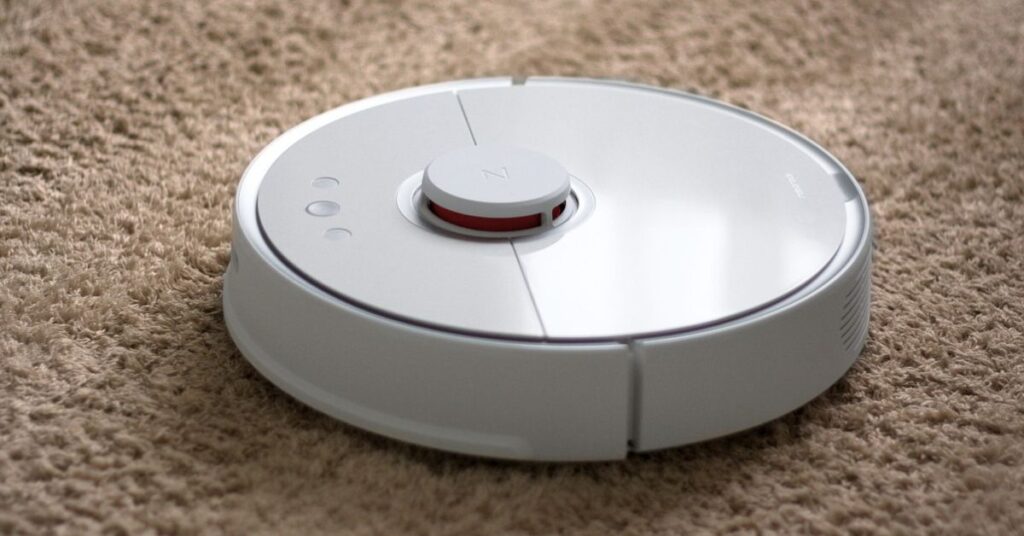
2: EXTRACTION (TAKING OUT, Extracting, Retrieving, Removing, Separating, Isolating, Zoning Out): (A) Extract the “redundant or disturbing or an interfering” part (or property) of an object (or system), (B) Extract only the “necessary or useful” part (or property) from an object (or system), (C) Extract only the desired (required or non-required) function (in terms of time or space or interaction or condition) from a multi-functional system or object. EXAMPLE: Separate Smoking Areas/Zones, Vacuum Cleaning, Chromatography, Flashlight, Automated Teller Machines, Split-ACs, Using Fiber Optics (& Frequency Based Separation or Extraction of Signals), Weeding Out, Film Editing etc SYNONYMS: Extracting, Retrieving, Removing, Separating, Taking-Out. Extract the “disturbing or an interfering” part (or property) of an object (or system) [IP 2.1]. Extract only the “necessary or useful” part (or property) from an object (or system) [IP 2.2]. Extract only the desired (required or non-required) function (in time or space or condition) from a multi-functional system or object [IP 2.3] ACB:  The concept of “extraction” in problem-solving refers to the process of isolating, retrieving, or separating specific elements, properties, or functions from a larger system, object, or context. It involves identifying and focusing on the essential components that are relevant to solving a particular problem or addressing a specific need. Extraction can be thought of as a way to simplify complex situations by honing in on what is necessary or valuable. Extracting the Disturbing or Interfering Part (Property) [IP 2.1] involves identifying and isolating elements or properties within a system that are causing disruption or interference. By extracting these troublesome components, you can eliminate or mitigate the issues they create, ultimately leading to smoother operation or improved performance. Extracting the Necessary or Useful Part (Property) [IP 2.2] implies isolating the elements or properties that are crucial for achieving a specific objective. By extracting only what is necessary or useful, you simplify the problem and avoid unnecessary complexity, making it easier to address the core challenge. Extracting the Desired Function from a Multi-Functional System or Object [IP 2.3] involves selecting and isolating a particular function from a system or object that serves multiple purposes. By extracting the desired function, you can tailor your approach to meet a specific requirement without being weighed down by irrelevant functions. The overarching idea is to identify elements causing interference or inefficiency and find ways to separate them from the essential components or areas, ultimately enhancing the functionality or comfort of the system. Separation and extraction involves separating an interfering or unnecessary part from an object or isolating the necessary part to improve the overall system’s efficiency. Noise Reduction in a Car: A car engine generates a lot of noise that affects the overall comfort of passengers. Isolate the noisy engine from the passenger compartment using effective insulation materials or locate the engine in a separate compartment. Light Source in a Reading Lamp: The light source in a reading lamp produces heat, which can be uncomfortable during prolonged use. Use fiber optics or a light pipe to transmit light to the lampshade, keeping the heat-producing light source separate from the reading area. Cooking Odors in the Kitchen: Cooking generates strong odors that spread throughout the house. Install a powerful exhaust fan to separate and direct cooking odors outside, preventing them from permeating the entire living space. Traffic Noise in Urban Areas: High traffic noise disrupts the peace in urban residential areas. Implement noise barriers or vegetation belts along highways to segment and absorb the sound, reducing its impact on nearby neighborhoods. Workspace Privacy in an Office:  Open office layouts can lead to distractions and reduced privacy for individual workers. Introduce modular cubicles or soundproof partitions to segment workspaces, providing employees with a more focused and private environment. From a problem-solving perspective, the concept of extraction encourages a focused approach to tackling challenges. It helps in (a) Prioritization: By identifying and isolating the most relevant elements, you can allocate your resources and efforts more efficiently toward solving the problem. By using extraction, identify the core issues that are most impactful and need immediate attention. Extracting these core challenges allows us to prioritize their efforts and resources. Instead of applying a generic solution to a complex problem, one can extract the specific aspects of the problem they are equipped to address. One can identify and extract elements that cause distractions, delays, or inefficiencies in their processes. (b) Simplification: Extraction simplifies complex systems by breaking them down into manageable parts, allowing you to address each part individually. Companies sometimes offer a range of features or services that might not all be equally relevant to their target audience. By extracting the most necessary or useful features, they can create streamlined and more focused offerings that cater directly to customer needs. (c) Customization: Extracting specific functions or properties enables you to tailor your solutions to the unique requirements of the problem at hand. Each customer or market segment may have specific requirements. One can extract the desired functions or features that align with these requirements and offer customized solutions, increasing their value proposition. (d) Minimization of Harm such as Noise: Removing interfering or unnecessary elements reduces distractions and noise, allowing you to focus on the core issue. (e) Efficiency Enhancement: By working with a streamlined subset of information or functions, you can streamline your problem-solving process and achieve quicker results. By extracting unnecessary or non-value-adding elements, one can allocate resources more efficiently toward activities that directly contribute to growth and success.   Business can leverage the extraction principles to tackle challenges and seize opportunities by focusing on what is essential, simplifying complex situations, and customizing their solutions.  In a competitive market, one can extract their unique strengths, differentiators, and innovative aspects. This helps in crafting a distinct brand identity and positioning. By extracting the specific regulatory requirements that apply to their industry, location, or product, one can ensure compliance without being overwhelmed by irrelevant regulations. When addressing opportunities, one can extract the specific needs, preferences, and pain points of their target audience. This enables them to tailor their marketing efforts and messages effectively.It’s a valuable technique for making problems more manageable, finding relevant solutions, and achieving effective outcomes.  The principle of extraction involves the identification and separation of essential elements from a larger context. It is a valuable problem-solving tool in both business and technical domains. By applying the extraction principle,