Ranganathittu
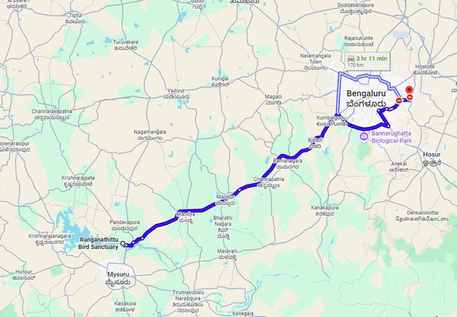
We left Whitefield before dawn on 18 January 2026, with a thermos and camera in the glovebox and the expectation of a quiet day by the Cauvery. The drive to Ranganathittu is a comfortable road trip of roughly 150–160 km (about 2–3½ hours depending on traffic), threading past Bangalore’s suburbs and the greener plains toward Mysuru and Srirangapatna. If you time the start early, you dodge the worst of Bangalore traffic and reach the sanctuary when the birds are at their most active.
Ranganathittu is small — only about 40 acres made up of several river islets — but famously dense with life. The islets were formed centuries ago after a weir was built across the Kaveri (Cauvery) in the 17th century, and the place began to attract nesting birds in large numbers; ornithologist Salim Ali helped persuade the Maharaja to protect the site in the 1940s. Today it’s the largest bird sanctuary in Karnataka and was even designated a Ramsar wetland in recent years. That mix of natural history and protection is why birders call it “Pakshi Kashi” (bird Kashi).
From a handful of islets formed by a 17th-century embankment on the Kaveri to one of South India’s most celebrated bird sanctuaries, Ranganathittu’s journey is a story of nature finding opportunity in human intervention. Since 1940, the sanctuary stands today as a testament to timely conservation and foresight. With continued efforts by the Karnataka Forest Department and the declaration of an eco-sensitive zone around it, Ranganathittu remains not just a haven for birds, but a living reminder of how history, ecology, and responsible stewardship can coexist in harmony.
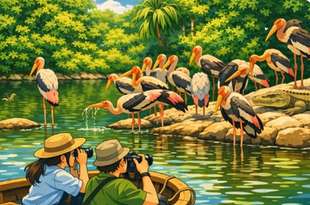
What we found — is that the heart of the experience is the guided boat ride around the islets. Boats pull close enough to watch colonies of nesting birds on the shrubs and boulders, and the soundscape of flapping wings and distant calls is unforgettable. People who visit regularly emphasize going early (boats generally start in the morning), taking a boat for the best views, and keeping still and quiet to maximise sightings. Weekends get busy; midweek mornings are calmer.
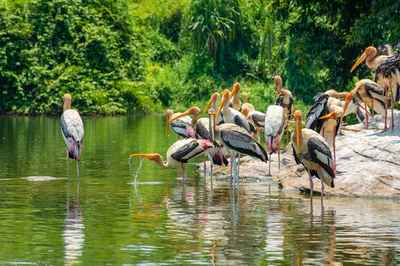
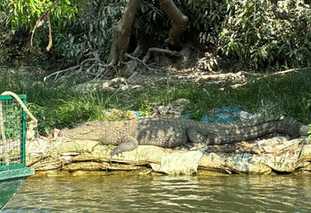
Ranganathittu hosts both resident and wintering species. Common and eye-catching birds you’re likely to see are painted storks, spot-billed pelicans, open-billed storks, Asian woolly-necked storks, various egrets and herons, darters and cormorants, and spoonbills — and if you’re lucky, some kingfishers and migrant waders. In winter months (November–February) many migratory species increase the numbers and variety, so a January visit is excellent for birdwatching. Beyond birds, the river banks and reedbeds shelter monitor lizards, smooth-coated otters, bonnet macaques, mongoose, and a notable population of freshwater (mugger) crocodiles often basking on sandbanks — a dramatic natural contrast to the nesting storks overhead.
Why January? Winter in southern India brings migrants from the north and temperate regions, and the cooler, drier weather makes boating and shoreline watching pleasant; many visitors say January combines good bird numbers with comfortable light for photography. (Nesting activity peaks during and after the monsoon, but January gives you the mix of resident colonies plus winter arrivals.)
Recommendation: Start early (first boats) to see active birds and soft morning light. Take the boat ride — it’s the main way to see the nesting colonies up close. Bring binoculars and a telephoto lens if you photograph; keep voices low. Carry water, a hat and sun protection (even in January the sun can be strong later). Avoid throwing anything into the water — the sanctuary is small and sensitive; local rules protect nesting sites. For anyone from Bangalore who wants to escape the city for a single morning or day of birding and river scenery, it’s one of the best nearby choices.
Sample Itinerary (Time and Activity)
Here’s a clean, practical sample itinerary for a one-day trip from Whitefield → Ranganathittu → back to Whitefield, paced the way most people actually enjoy it (early start, relaxed wildlife time, good food stops). Total distance: ~155–165 km one way. Best day: Any day; weekday if you want fewer crowds. Best season: Nov–Feb (January is excellent).
Early Morning: Whitefield → Breakfast Stop
5:30 AM – Depart Whitefield. Early start = smooth ORR + NICE Road + Mysuru Road. This also ensures you reach the sanctuary before birds retreat from the heat.
7:00–8:00 AM: Breakfast: Option 1 (popular & reliable): Kamat Lokaruchi. South Indian breakfast (idli, dosa, pongal). Clean restrooms. Quick service. Best if you want a no-nonsense stop. Option 2 (more relaxed by 7:30–8:30 AM): MTR – Maddur. Famous Maddur Vada. Filter coffee stop. Slightly slower but iconic. Drive: Breakfast → Ranganathittu and by 8:00–9:30 AM –Route after Maddur: Maddur → Srirangapatna → Ranganathittu. The last stretch becomes greener and calmer, setting the mood nicely.
9:30 AM – 12:00 PM:Main Experience: Ranganathittu Bird Sanctuary. What to do: Entry + Boat Safari (must-do). Boat ride: ~20–30 minutes. Short walking trails & viewpoints. What you’ll likely see in January: Painted storks, pelicans, spoonbills, Egrets, herons, cormorants, Crocodiles basking on rocks and Otters (if lucky!)
Why this timing works: Bird activity is still high, light is great for photos, and boats operate smoothly. Tip: Do the boat ride first, then walk around.
12:30–1:30 PM: Lunch Options (Post-Sanctuary): Option 1: Authentic local Karnataka meal: Hotel Mayura River View. Run by Karnataka Tourism. Riverside location. Traditional thali options. Option 2: Slightly upscale, relaxed. The Olive Garden. Calm ambience. Indian & continental options. Good for families or longer lunches. Optional Short Stop (If Energy Allows)
2:00–3:00 PM: Srirangapatna. Tipu Sultan’s summer palace. Historic island town on the Cauvery. Even a 30–40 min walkaround is worth it. (Skip this if you want an earlier return — totally fine.)
4:30–5:00 PM: Tea Break on Return : Recommended stop. Café Coffee Day (Highway outlet). Stretch your legs . Coffee + snacks before final drive.
5:00–8:00 PM: Evening: Return to Whitefield. Expect Bangalore traffic after NICE Road. Put on music or a podcast — you’ll be tired but satisfied.
What to Carry: Binoculars (huge upgrade to the experience). Hat + sunscreen. Camera / phone with zoom. Water bottle. Cash (small fees, parking).
In short: Early start = best wildlife sightings, Balanced pace (no rushing, no boredom), Reliable food stops and Minimal stress driving

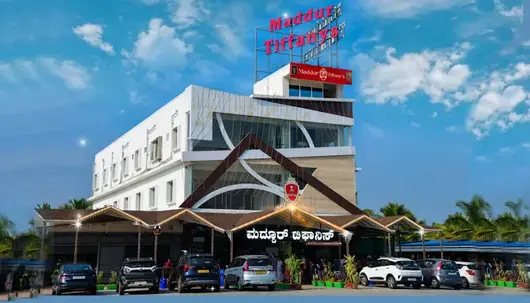
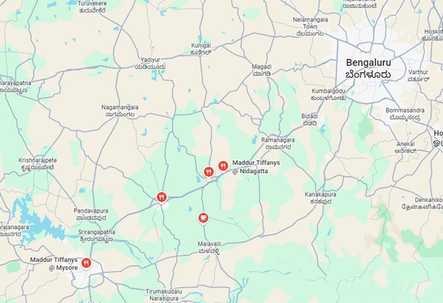
Maddur Tiffanys (Nidagatta)
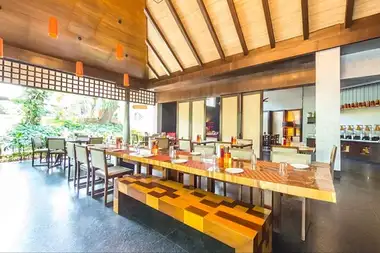
Maddur Tiffany’s is a famous, long-standing South Indian restaurant, especially known for its iconic, crispy Maddur Vada, a beloved snack originating from Maddur town on the old Bengaluru-Mysuru highway. While it’s a popular heritage stop for travelers with a cozy ambiance and good South Indian tiffins (breakfast/snacks), reviews mention varying experiences, highlighting its fame for vadas but also suggesting other dishes and service quality can differ, with some noting it’s less busy now due to newer expressways. Specialty: The legendary Maddur Vada (a crispy, savory snack) and other South Indian tiffins like Dosa, Idli, and Coffee. Location: Historically a highway stop in Maddur, Karnataka, on the way to Mysuru, with branches or mentions in Bengaluru and Mysore as well. Ambiance: Generally described as a casual, family-friendly spot with a traditional feel, though cleanliness and service can vary by location. Experience: A nostalgic stop for many, offering a taste of classic Karnataka cuisine, though the newer expressway has reduced footfall at the original location. A short detour off the main expressway is often needed to reach the original restaurant. If you’re traveling the Bengaluru-Mysuru route, Maddur Tiffany’s offers a historic culinary experience, especially for trying their famous vadas
Le Olive Garden (MYSURU)
“Le Olive Garden” in Mysore is a highly-rated, picturesque restaurant located within the Windflower Resort & Spa, offering North Indian, Chinese, and Italian cuisine with both indoor and outdoor seating. It is a popular spot for a romantic or special occasion dinner in the Nazarbad area, known for its tranquil ambiance and good service.
Location: Windflower Resort & Spa, No 295, Maharanapratap Road, Nazarbad, Mysuru, Karnataka 570010. Cuisine: North Indian, Italian, Chinese, and Asian. Highlights: Known for its romantic, quiet, and upscale, yet casual, outdoor seating. Menu Highlights: Offers items like Paneer, Drums of Heaven, Chicken Lollipop, Veg Sizzler, Butter Naan, and various salads. Operating Hours: Open daily from 7:00 AM to 11:30 PM. Nearby Attractions:: Ranganathittu Bird Sanctuary: Located approximately 8 km from the area. Mysore Zoo & Palace: Also easily accessible.
References:
https://www.ranganathittu.in/
https://en.wikipedia.org/wiki/Ranganathittu_Bird_Sanctuary